Design Compelling Dashboards with Tableau: For Data Analysis and Stakeholders
Dashboards are powerful visual tools that help you tell your data story. A dashboard is a tool that monitors live,

Dashboards are powerful visual tools that help you tell your data story. A dashboard is a tool that monitors live,
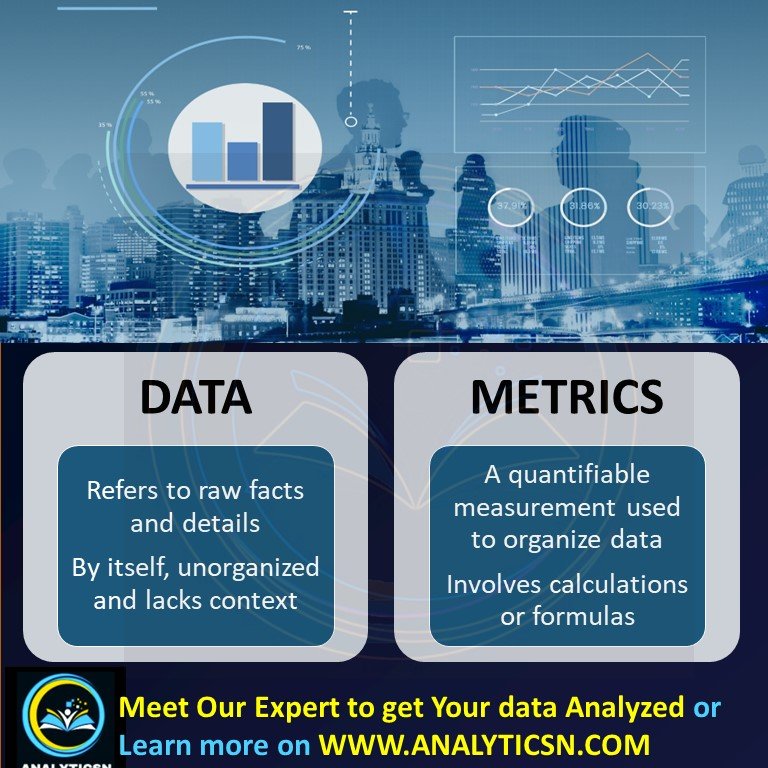
Understanding the difference between data vs. metrics is crucial for turning raw facts into actionable insights. While data consists of unorganized information, metrics are quantifiable measurements that provide context and help track performance. By converting data into metrics, businesses can make informed decisions and drive success.
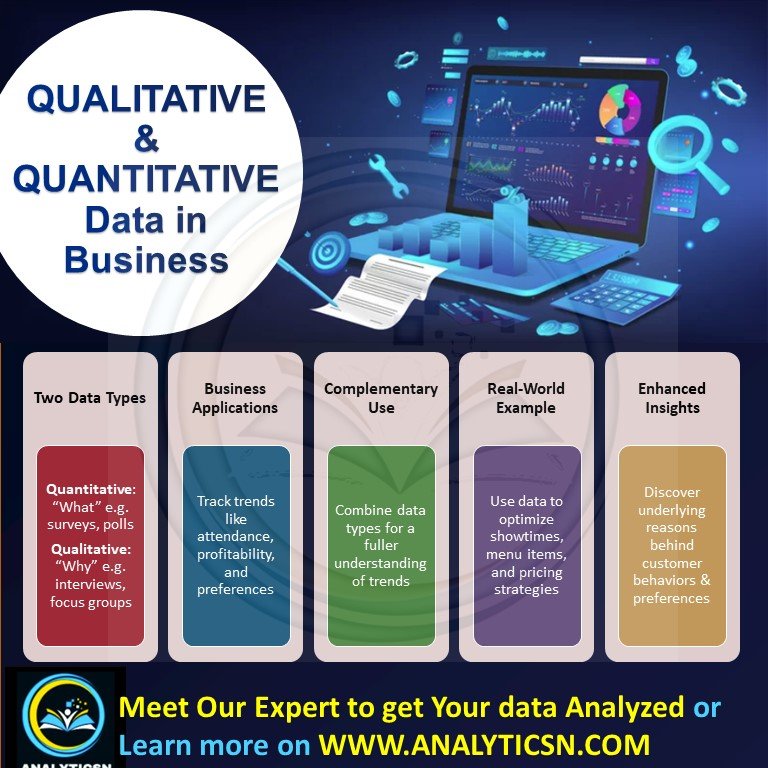
Qualitative and Quantitative data are the two major types, which are being utilized in every field of research and analysis. All have applications in business analysis, complementary use, decision making, and enhanced insights.
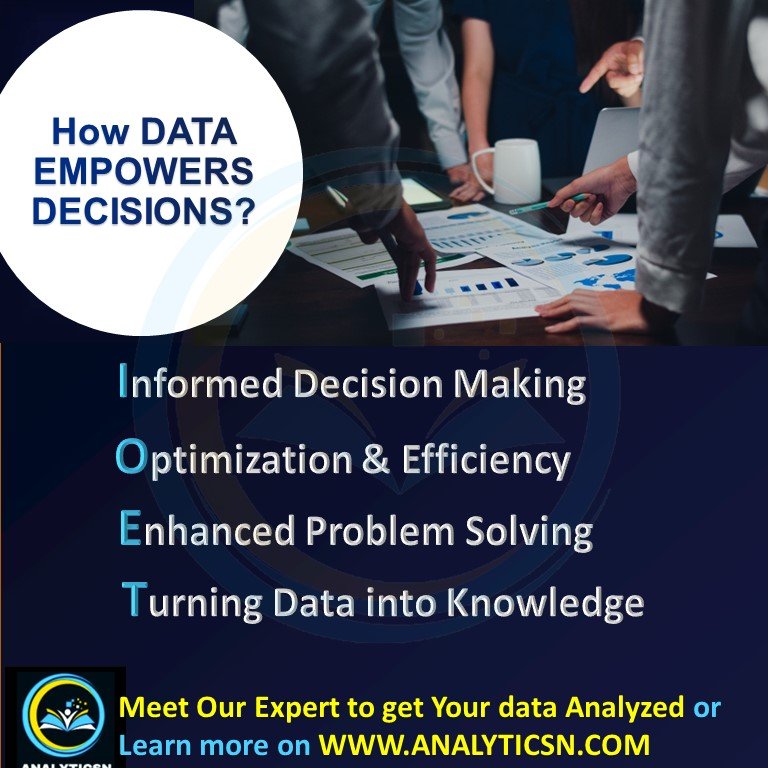
Data analysis is vital for informed decision-making, optimizing processes, and solving problems. Companies like Google use it to enhance efficiency, such as cutting data center energy use by 40%. Despite its potential, challenges in data access and interpretation underscore the importance of skilled analysts.
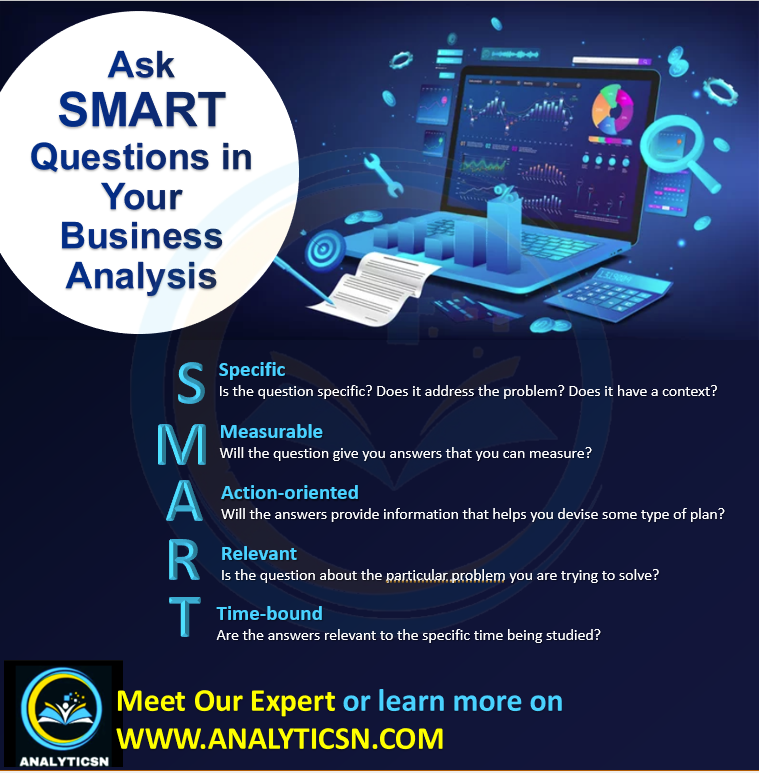
In an ever-changing business environment, asking the right questions is crucial for sparking innovation and making data-driven decisions. SMART questions—Specific, Measurable, Action-oriented, Relevant, and Time-bound—help ensure that data analysis is effective and targeted. Avoiding vague, leading, and closed-ended questions enhances the quality of insights gathered. The right approach to questioning can transform data into actionable insights, tailored to various fields like retail, education, and small businesses.
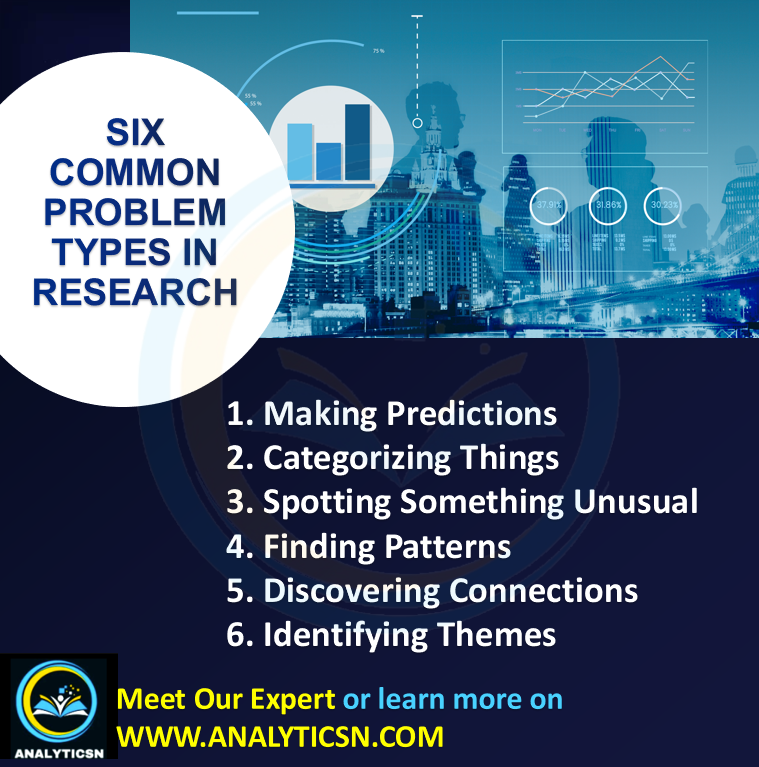
In data analysis, different problem-solving approaches meet various business needs. Predicting the best ad methods uses past data to forecast optimal placements. Categorizing customer service calls can enhance satisfaction by identifying effective actions. Spotting anomalies in health data, identifying themes in user interactions, discovering connections in logistics, and finding patterns in maintenance data are crucial for improving operations. Developing these skills enhances problem-solving and stakeholder satisfaction.